
Naphthalene: Synthesis, Reactions and Medicinally Important Derivatives
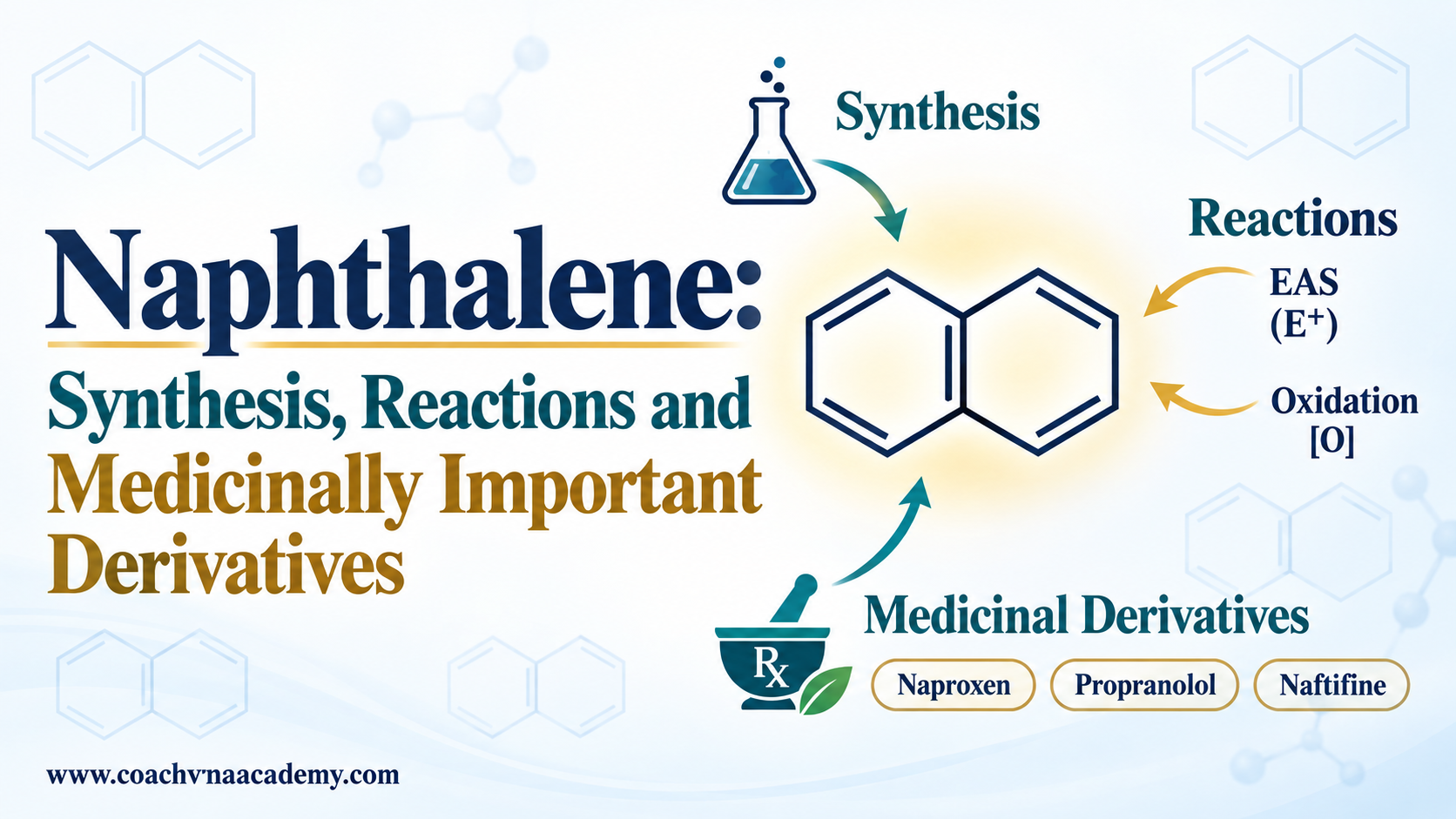
Study Haworth synthesis, α and β substitution, sulfonation control, oxidation, reduction and medicinally important naphthalene derivatives in clear BP301T notes.
Study Haworth synthesis, α and β substitution, sulfonation control, oxidation, reduction and medicinally important naphthalene derivatives in clear BP301T notes.
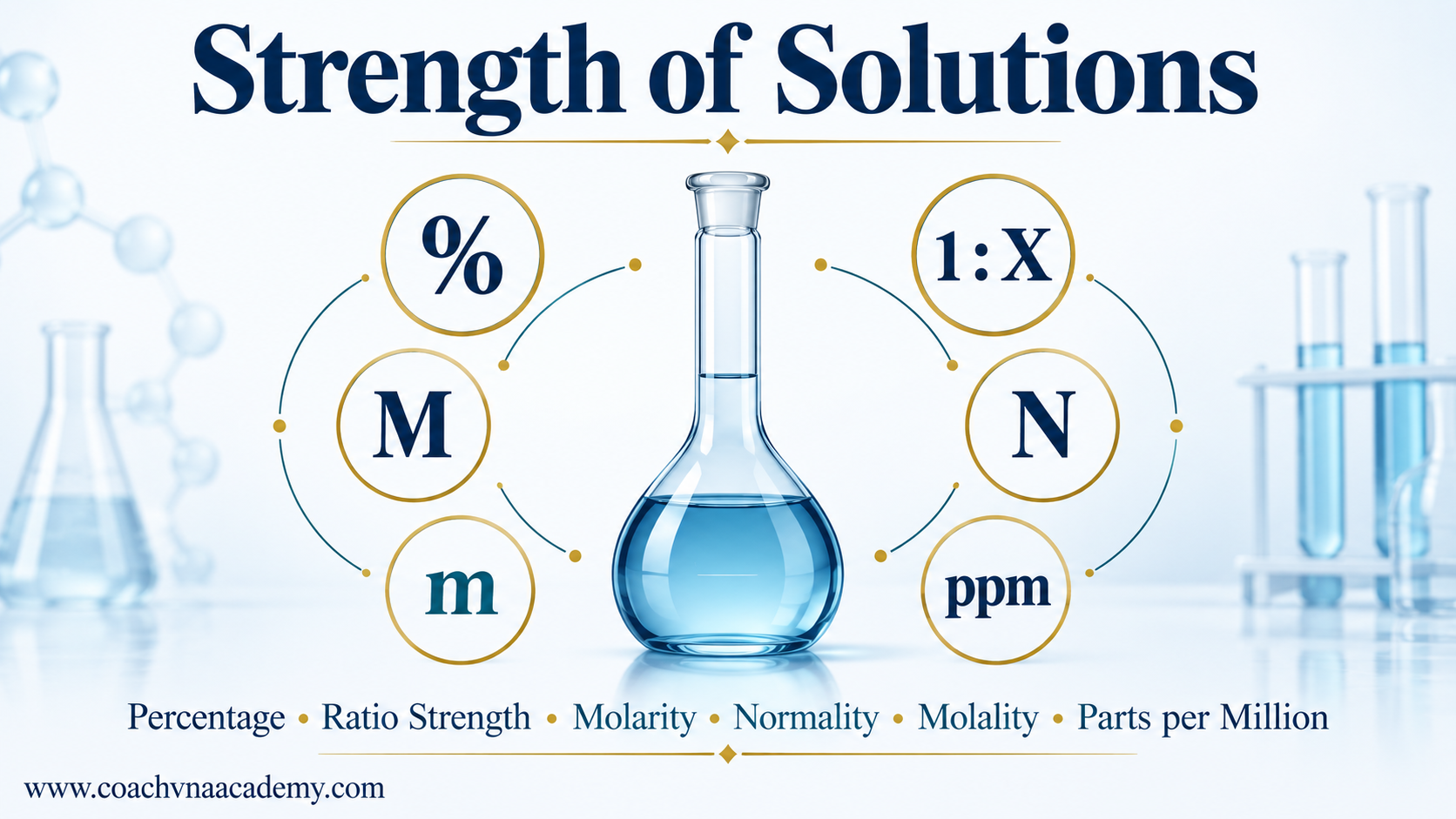
Learn percentage strength, ratio strength, molarity, normality, molality and parts per million with simple formulas, conversions and pharmaceutical examples.
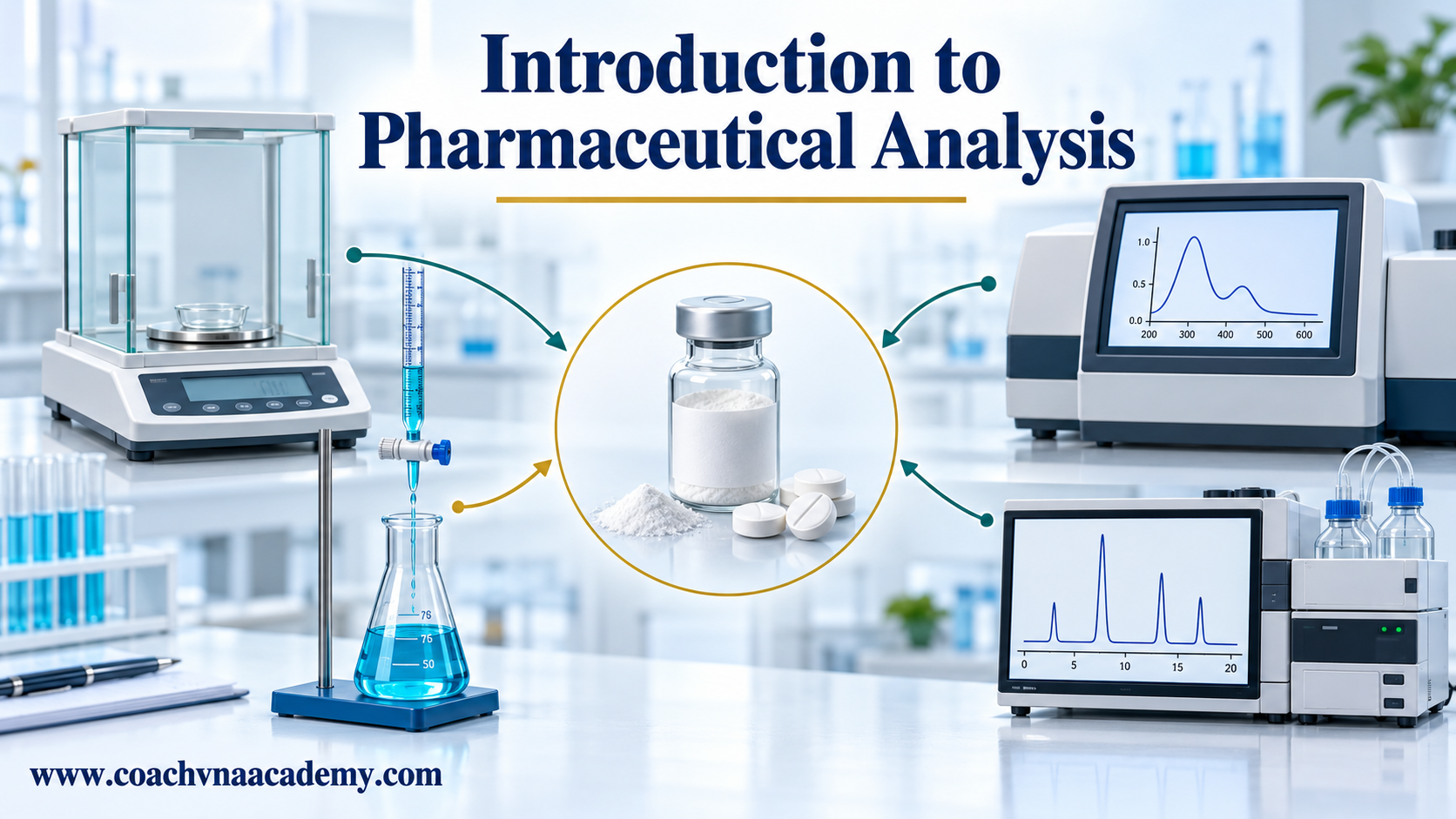
Pharmaceutical analysis helps establish the identity, purity, strength and quality of medicines. These student-ready notes explain its meaning, scope, importance, qualitative and quantitative approaches, major analytical techniques and the usual analytical workflow.
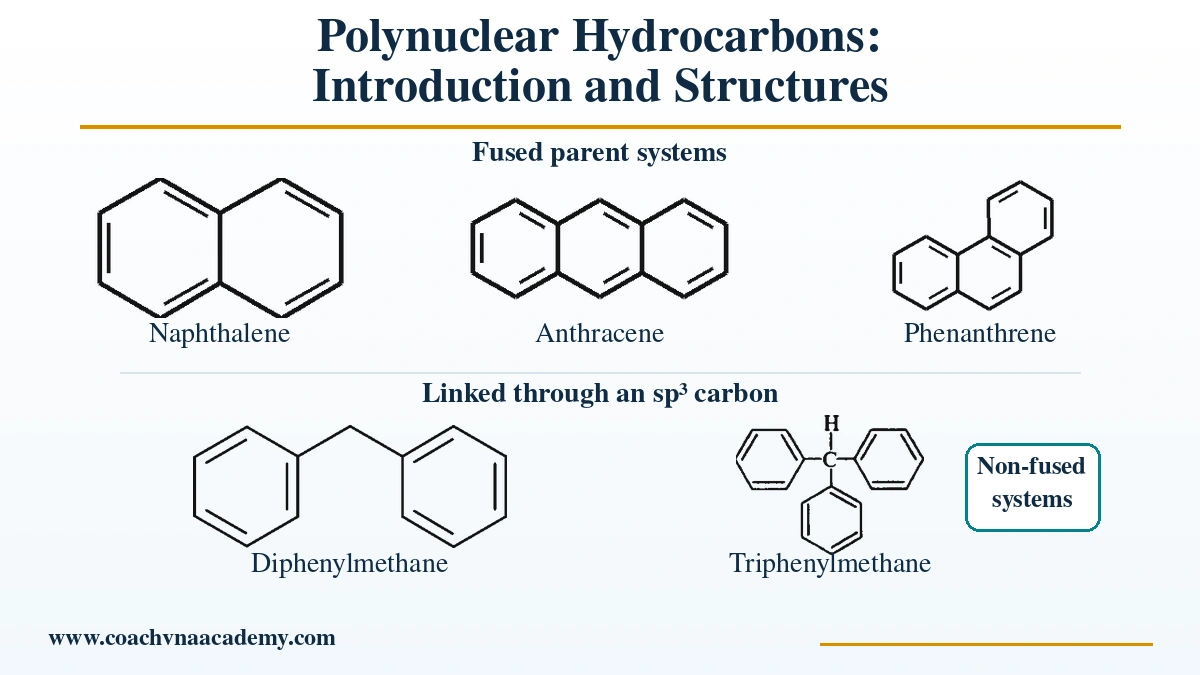
Understand the prescribed polynuclear hydrocarbon structures plus biphenyl, their fused or isolated arrangement, formulas, numbering systems and naming terms.

Understand how feelings, personal goals and practical barriers influence healthcare behavior. These BP103T notes explain emotion theories, motivation, Maslow’s needs and respectful pharmacy communication.

Pharmacy is not only about medicines; it is also about people. Discover how psychology and communication help pharmacists understand behaviour, counsel patients clearly, build trust and support safer medicine use.
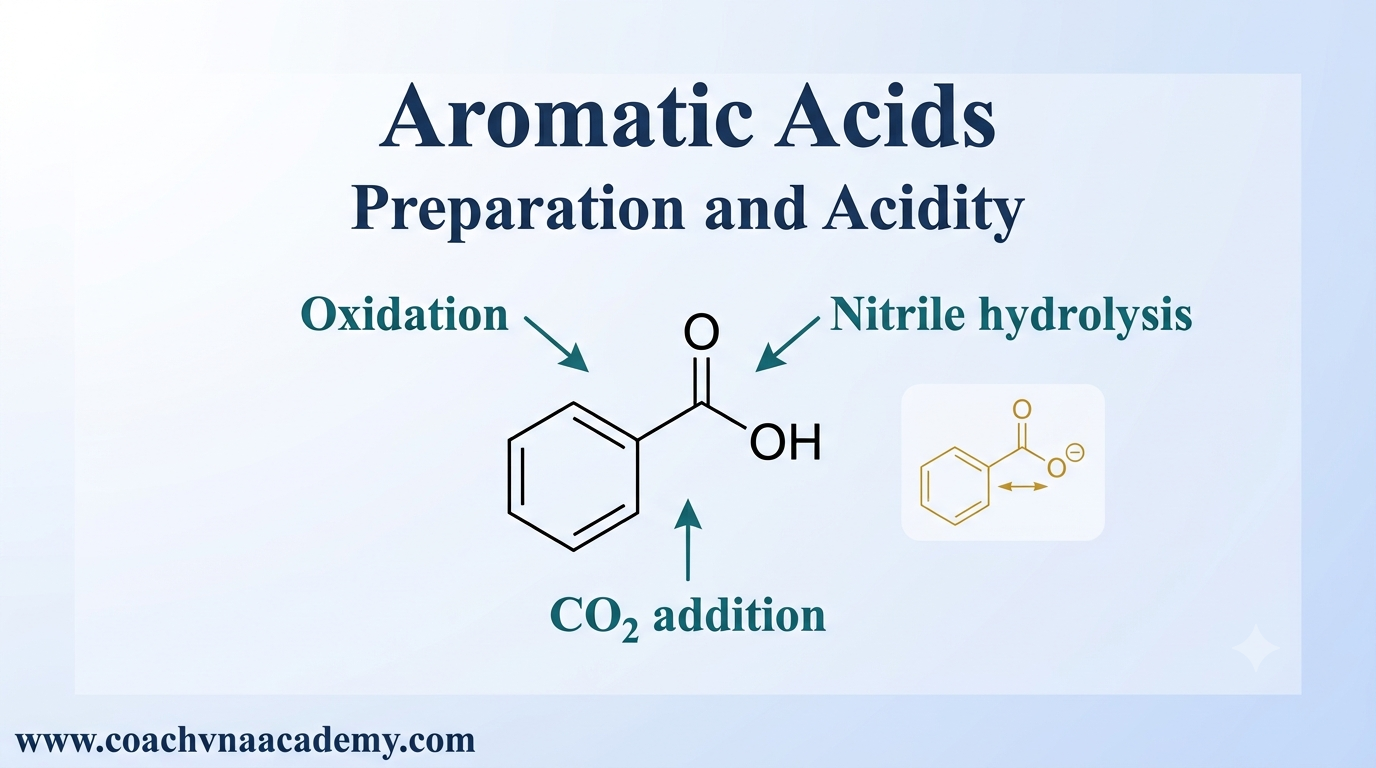
Learn how to prepare benzoic acid by side-chain oxidation, nitrile hydrolysis, and Grignard carboxylation. Understand aromatic-acid acidity through benzoate resonance, substituent effects, and carefully explained ortho effects.

Understand how patients notice, interpret, learn and remember healthcare information. These BP103T notes explain attention, learning theories, memory and reinforcement through clear pharmacy examples.
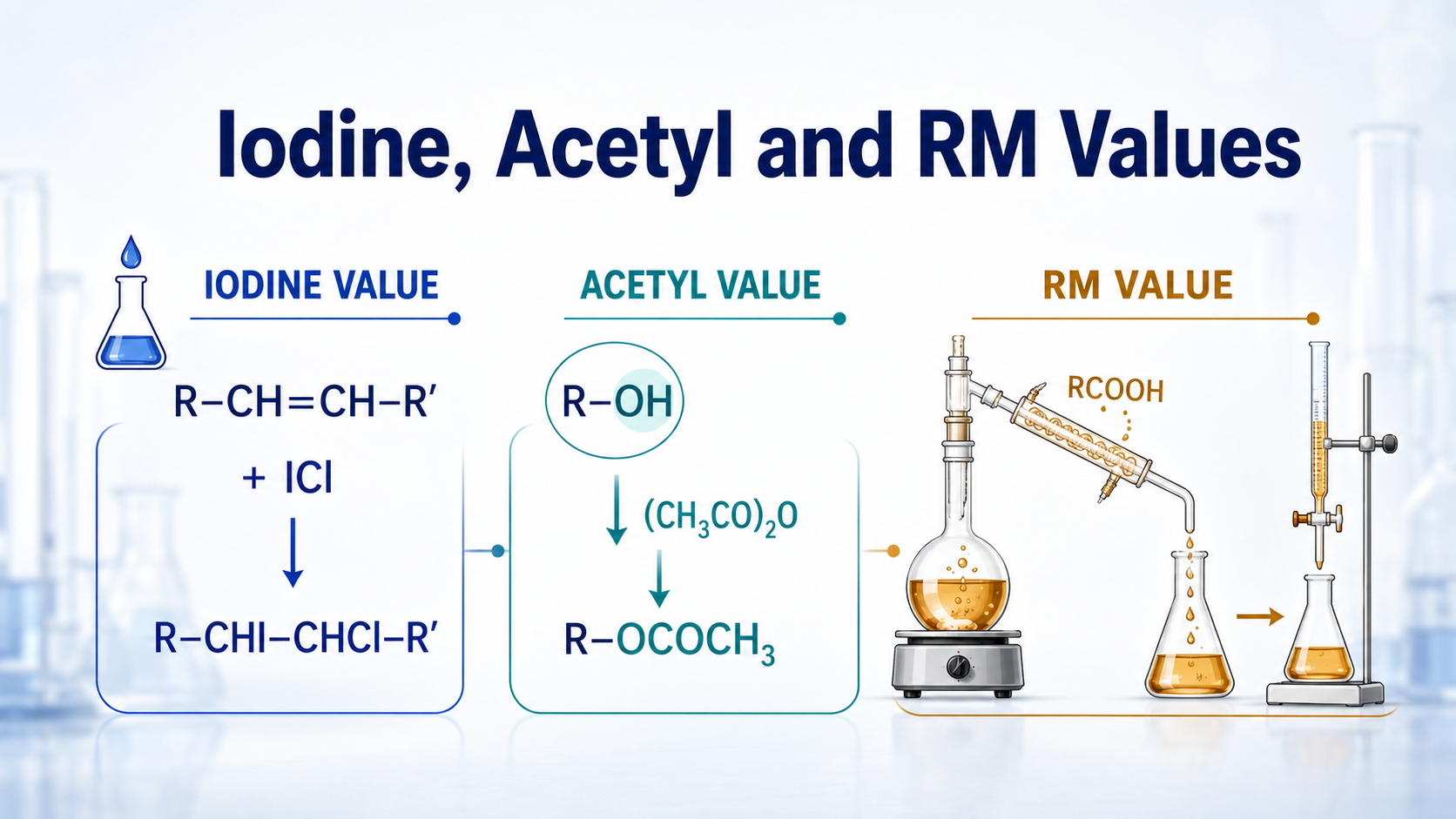
Learn iodine, acetyl and Reichert-Meissl values of fats and oils with principles, reactions, procedures, formulas, worked calculations, uses and exam-focused comparison.
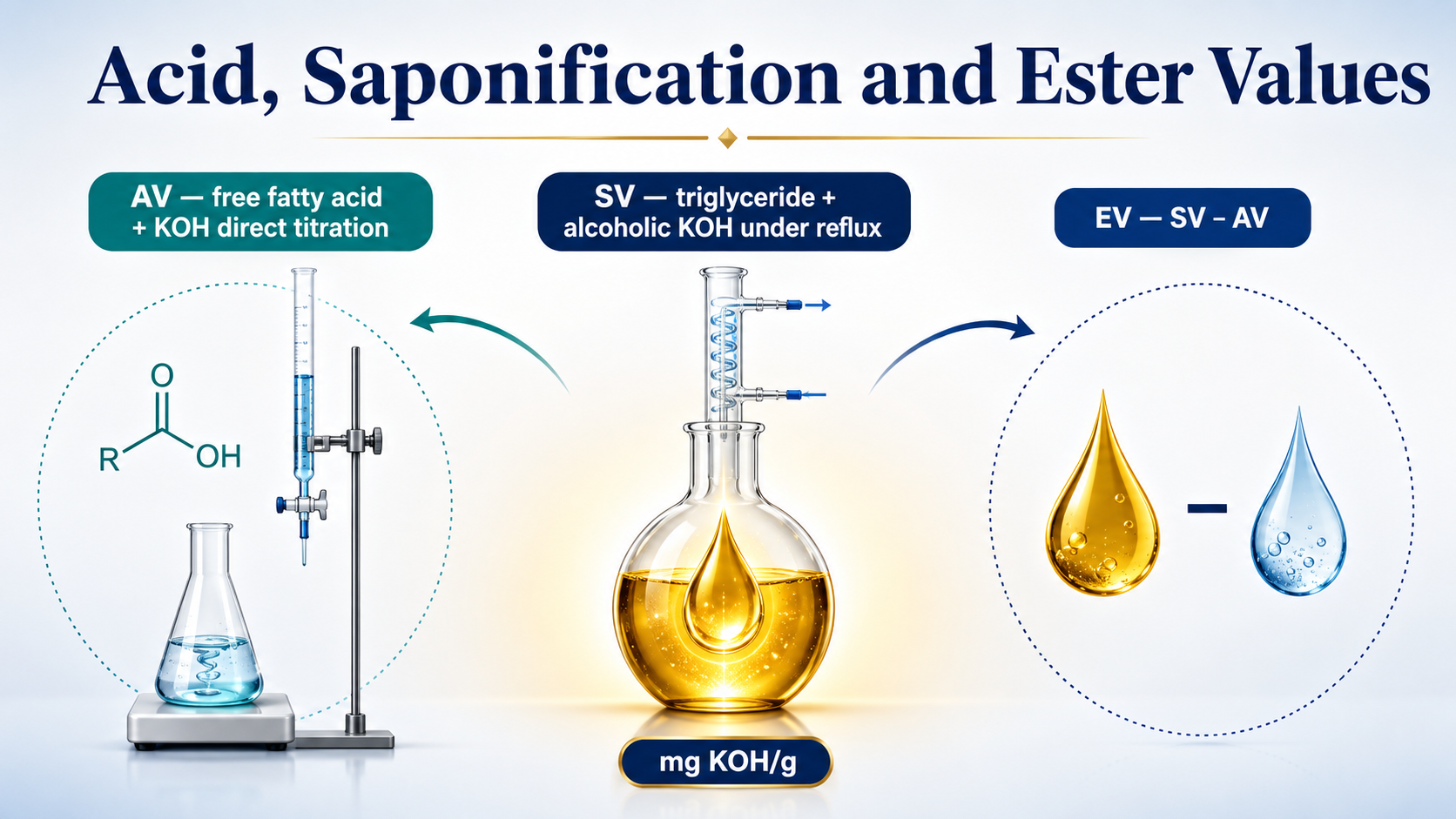
Learn acid, saponification and ester values with clear definitions, principles, reactions, procedures, formulas, worked numericals and exam-focused comparisons for B.Pharm students.