
Drying Oils: Definition, Mechanism, Classification, Examples and Uses
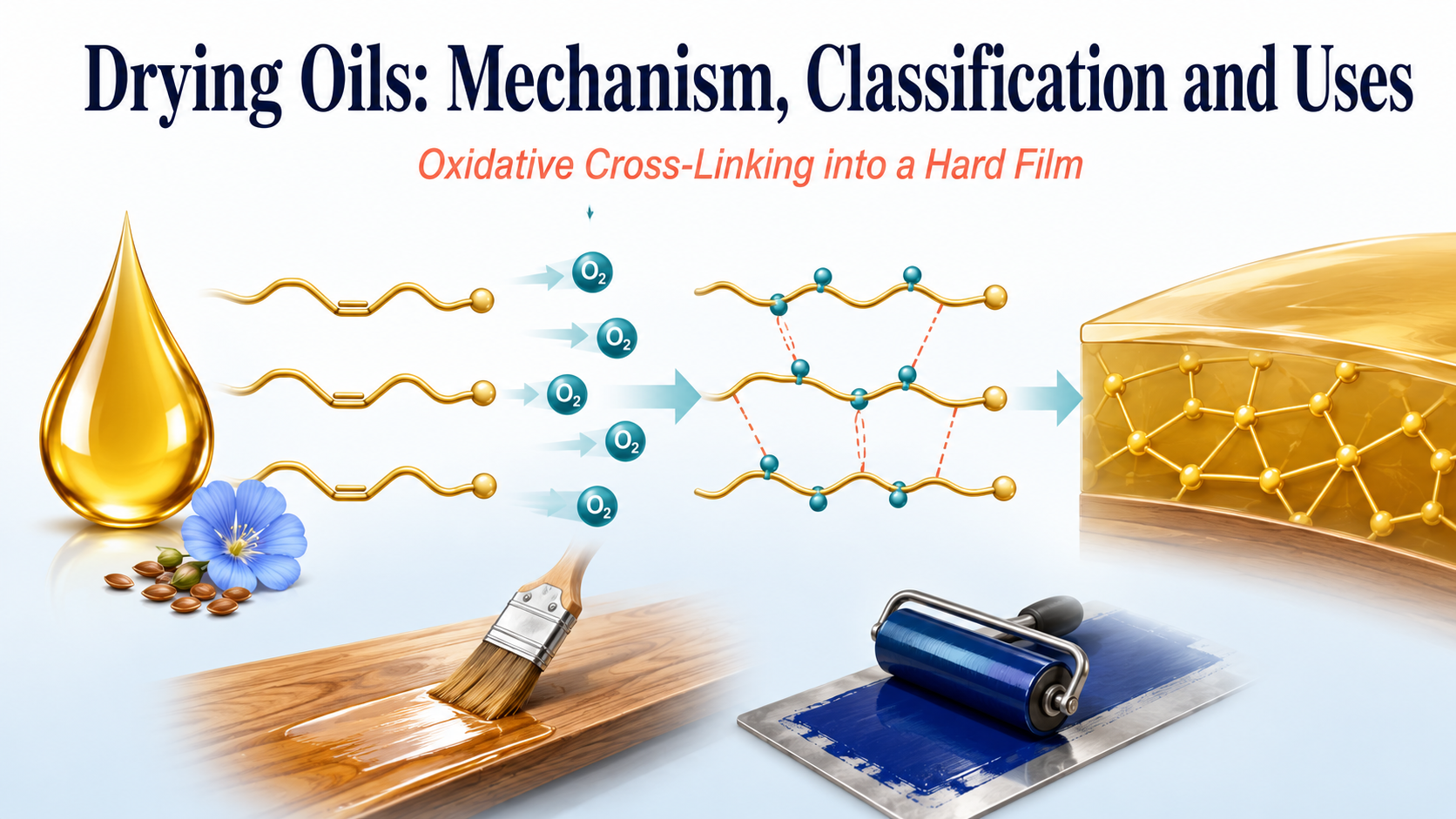
Learn drying oils through clear notes on oxidative polymerization, free-radical mechanism, iodine-value classification, examples, tests, uses, factors and safety.
Learn drying oils through clear notes on oxidative polymerization, free-radical mechanism, iodine-value classification, examples, tests, uses, factors and safety.
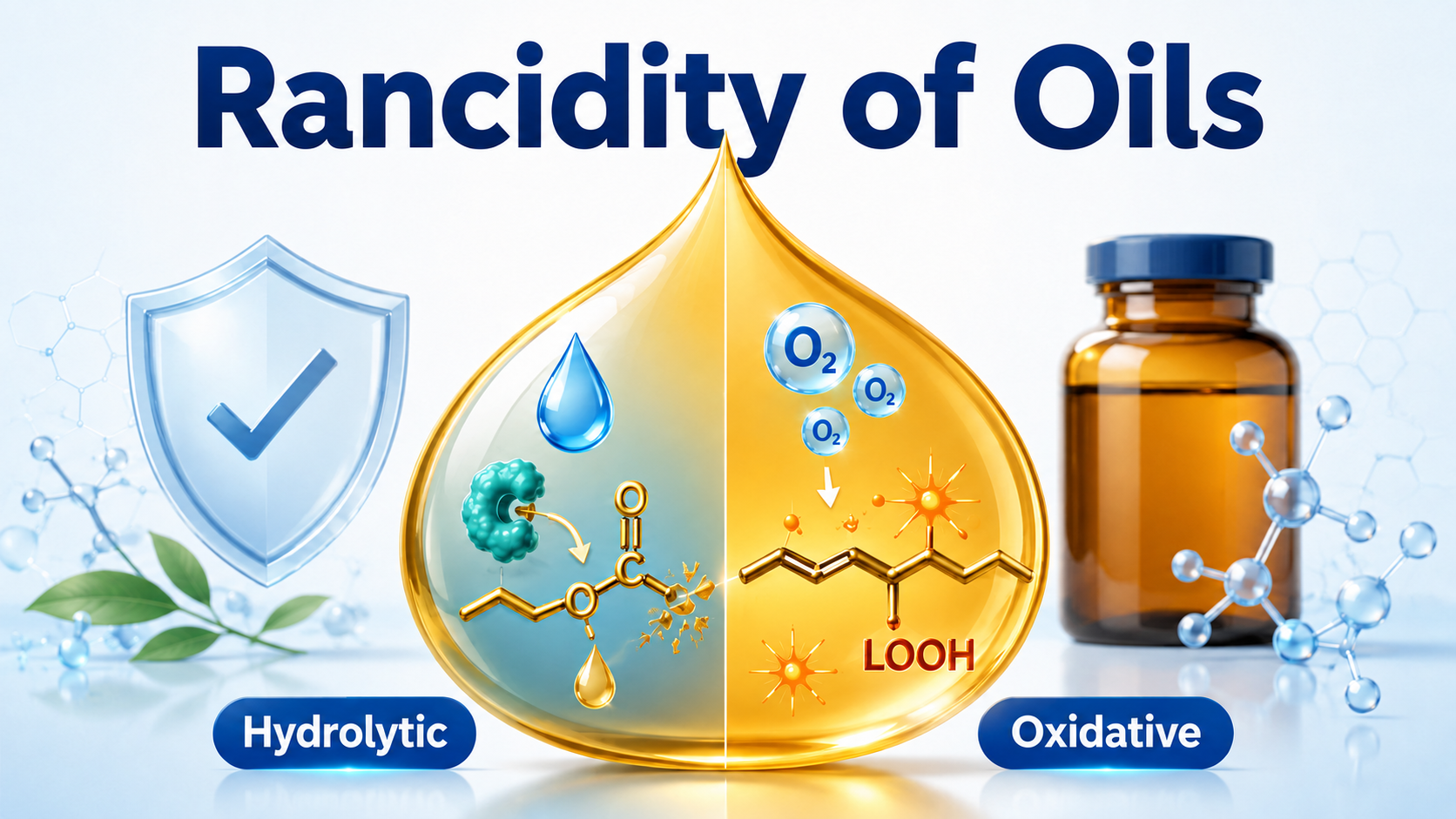
Learn hydrolytic and oxidative rancidity of oils, complete reaction mechanisms, contributing factors, detection tests, prevention methods, and the role of antioxidants in pharmaceutical products.
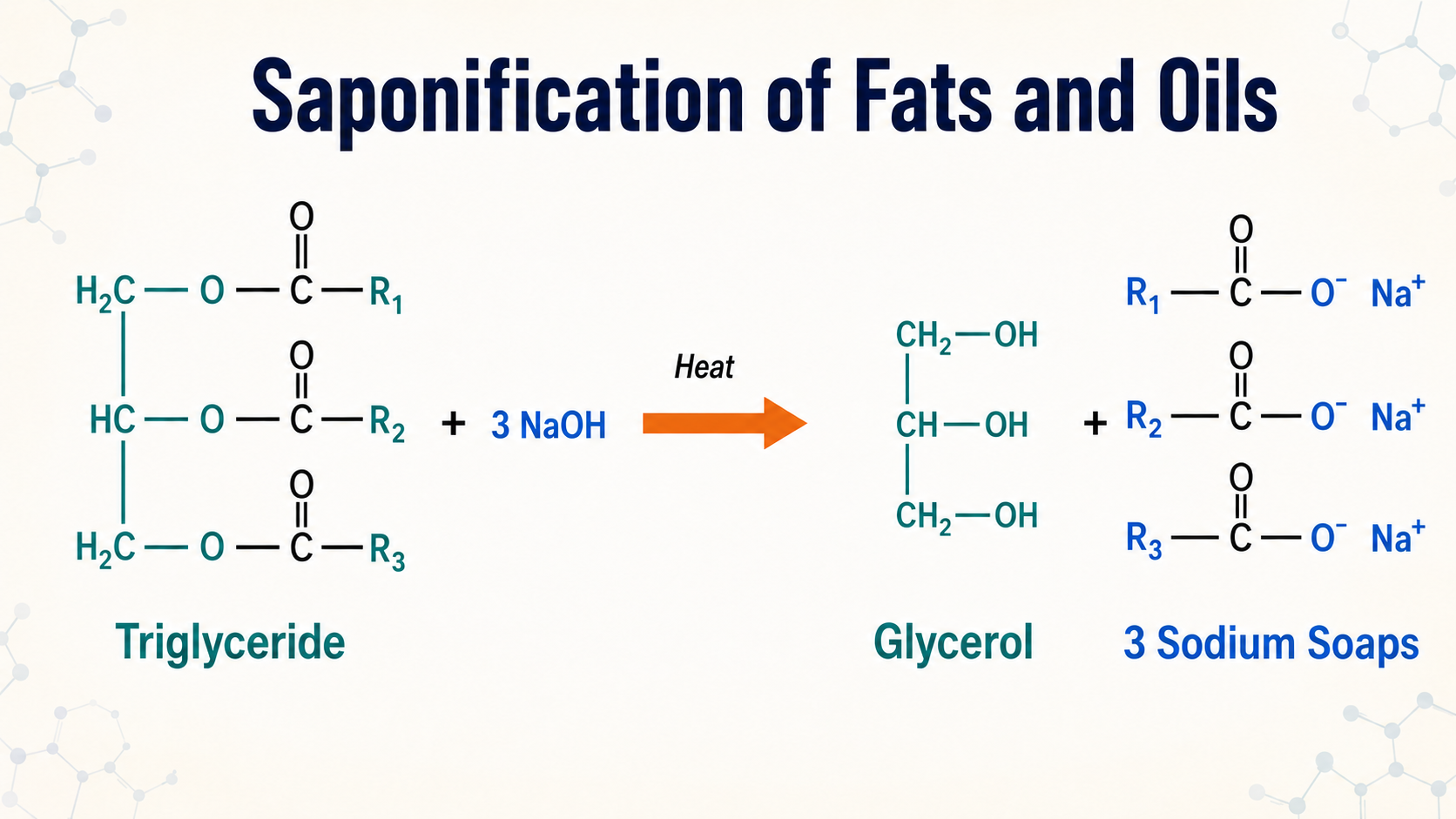
Learn saponification of fats and oils with the principle, complete reaction, stepwise mechanism, soap and micelle formation, salting out, hydrolysis comparison, saponification value and pharmaceutical applications.
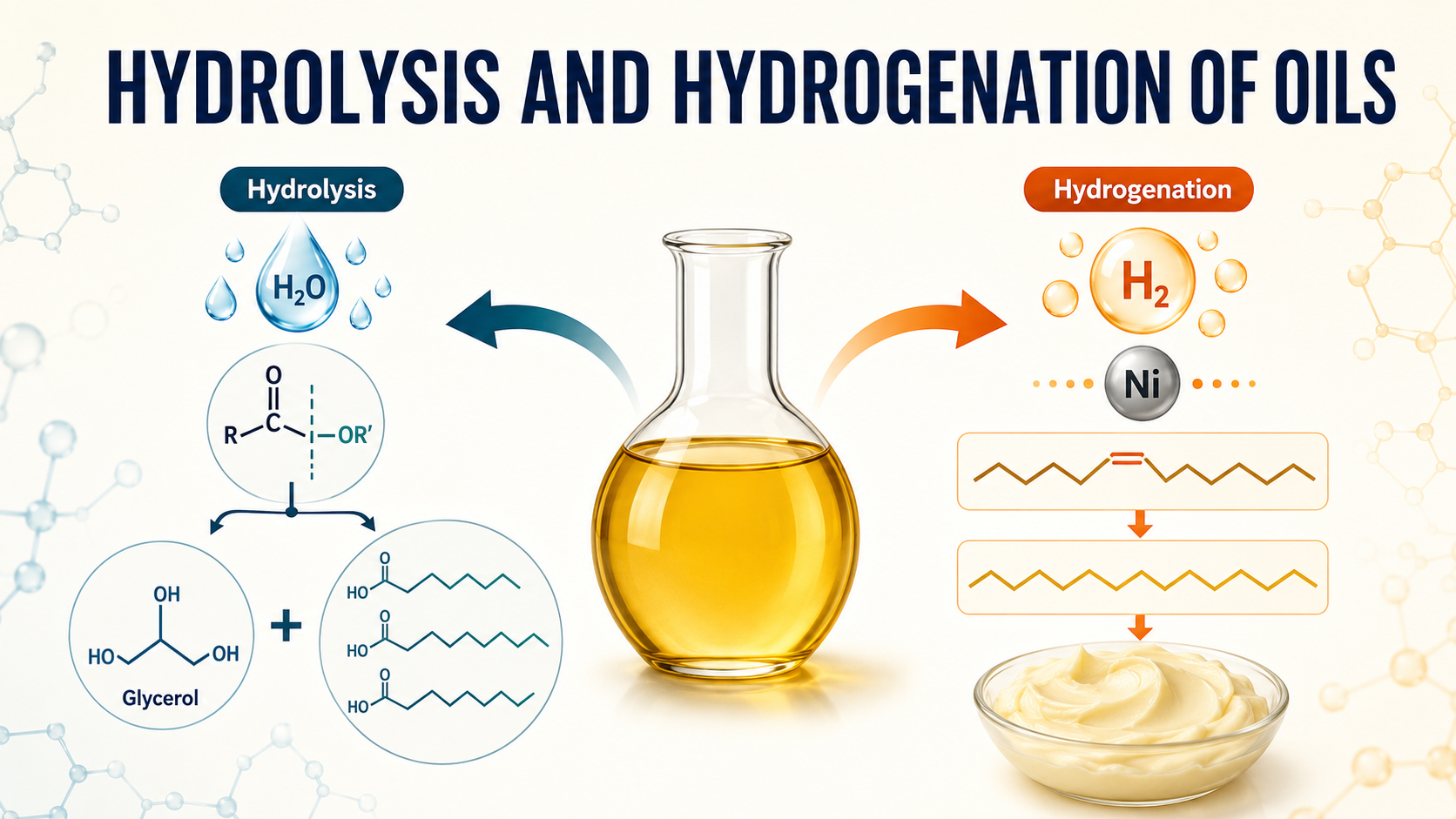
Learn the hydrolysis and hydrogenation of oils through clear reactions, conditions, products, property changes, applications, and exam-focused comparisons.
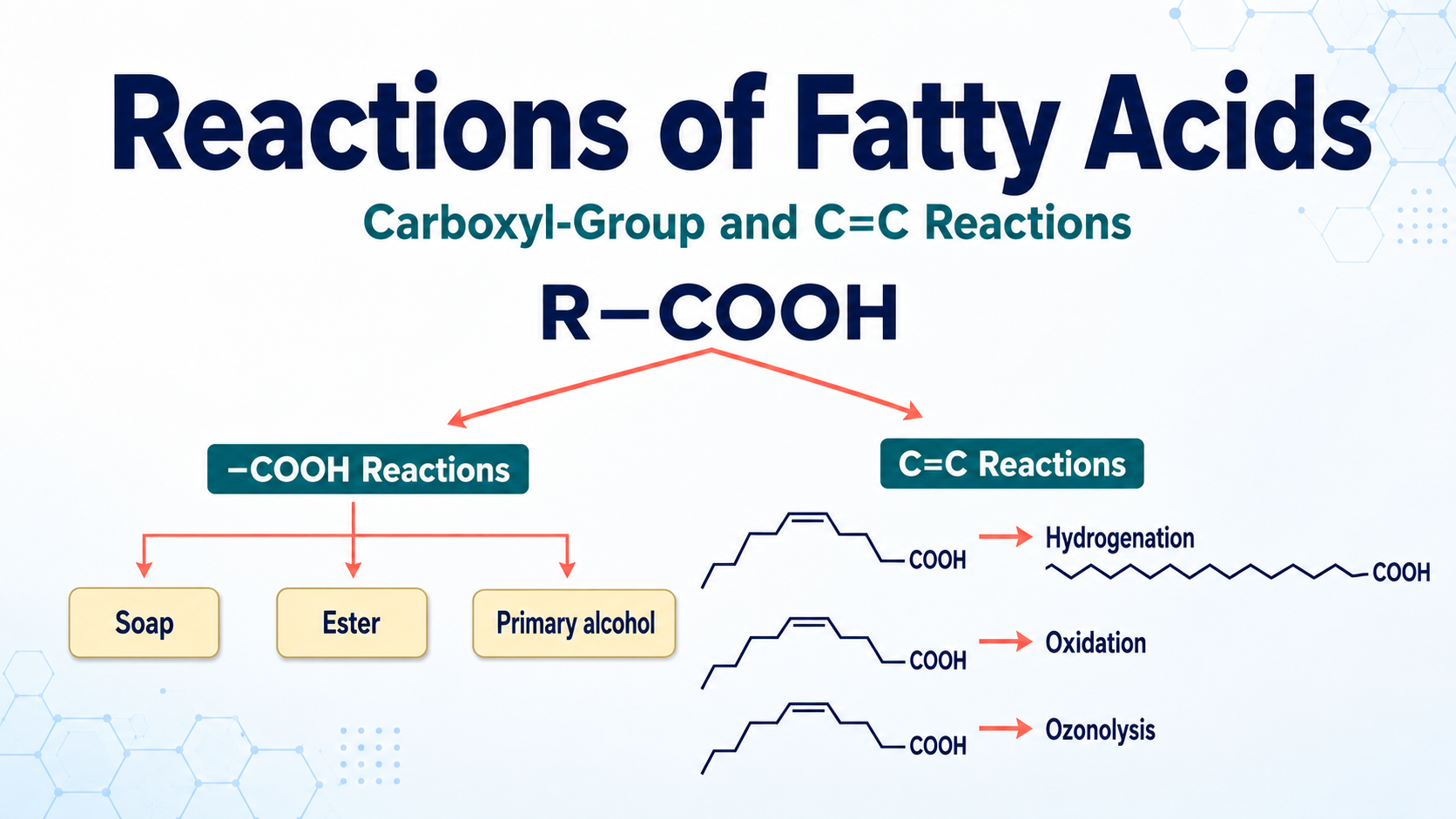
Learn the important reactions of fatty acids through clear equations, separate reaction conditions and revision infographics. These exam-oriented notes explain soap formation, esterification, reduction, decarboxylation, hydrogenation, oxidation, ozonolysis and oxidative rancidity.
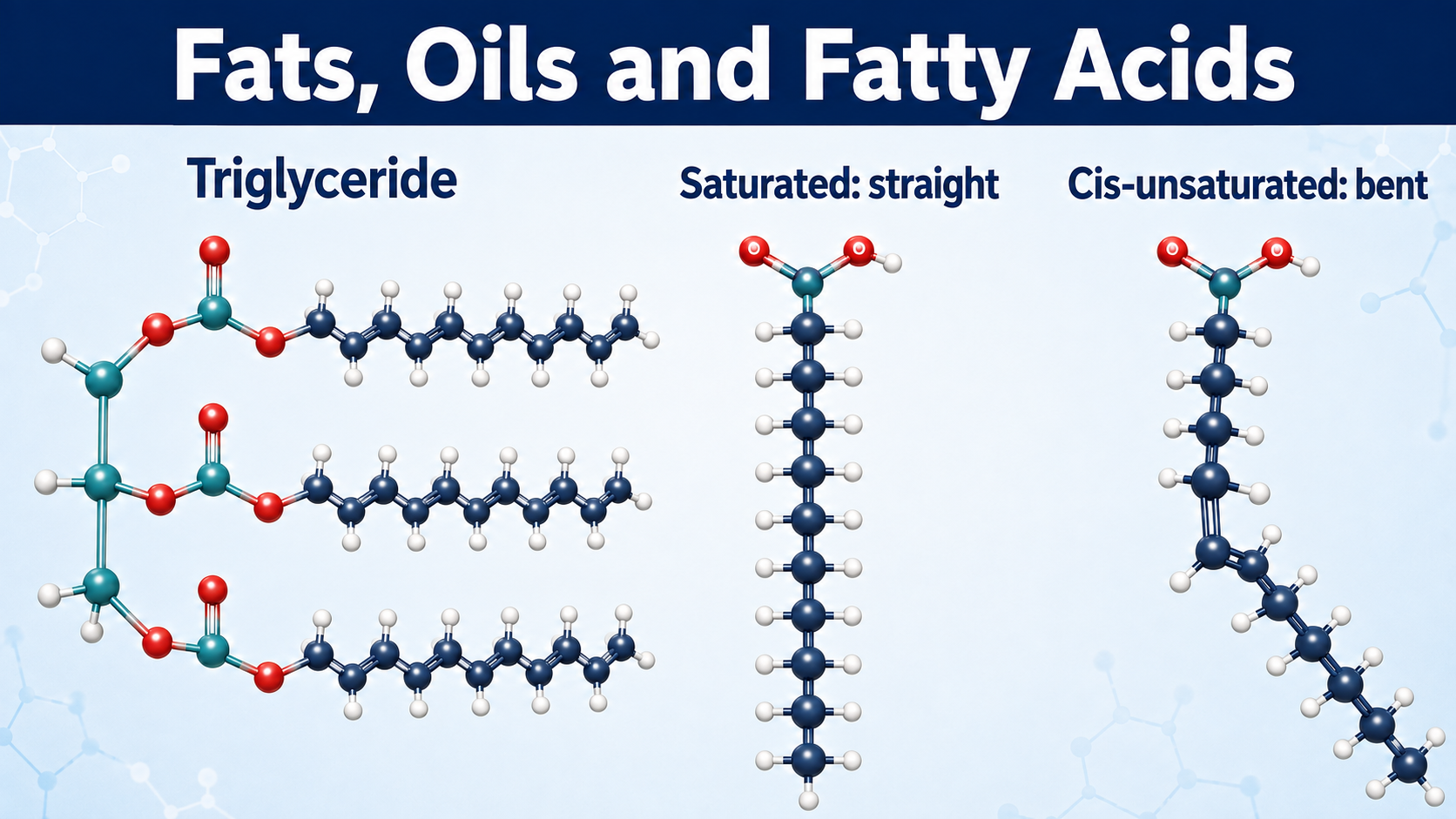
Learn the structure, classification and properties of fats, oils and fatty acids with essential fatty acids, omega notation, examples and exam-oriented notes for BP301T.
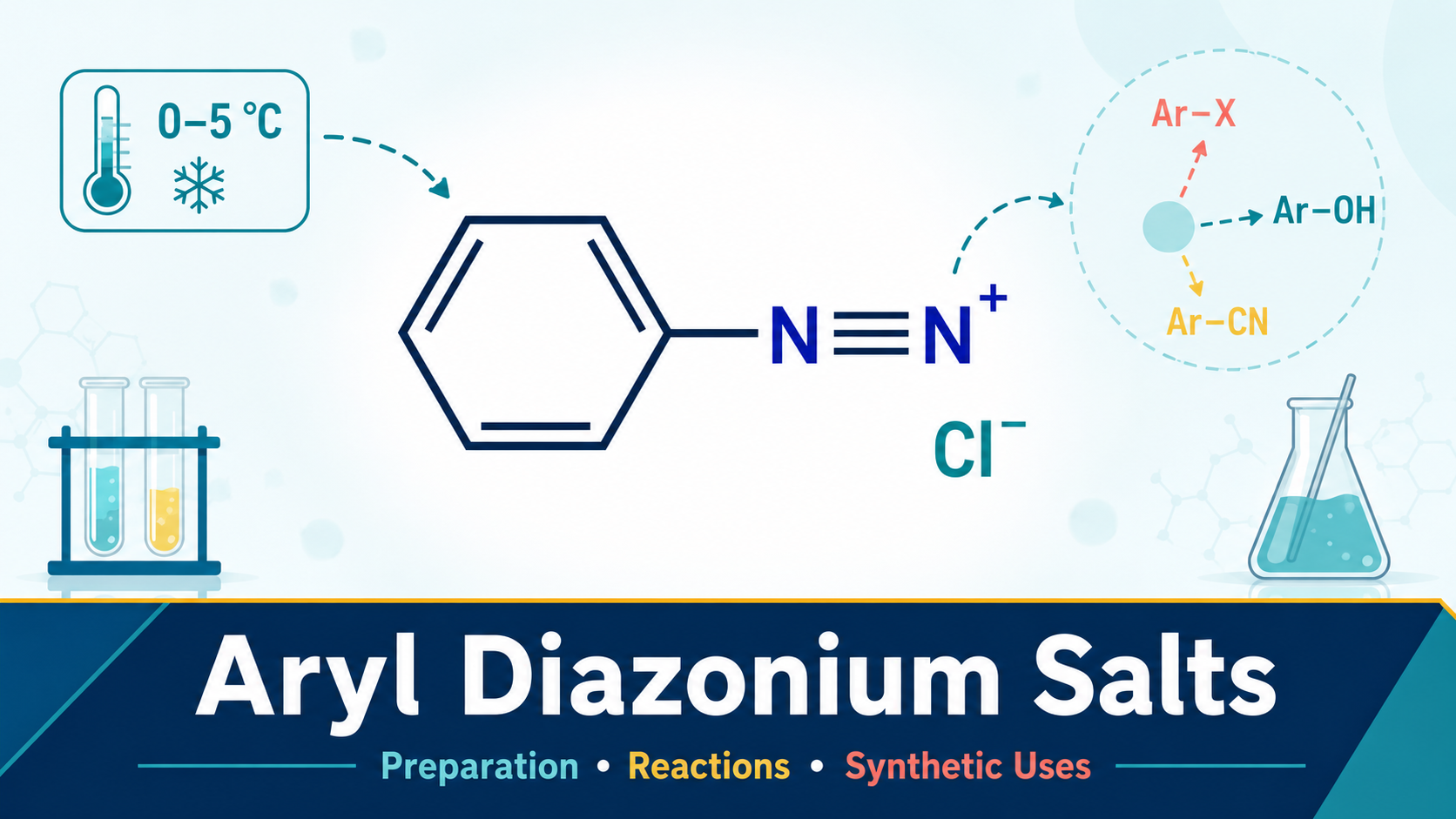
Explore aryl diazonium salts with a clear explanation of their preparation, reactions, and synthetic importance. This BP301T guide covers diazotization of aromatic amines, benzenediazonium chloride, replacement reactions, azo coupling, and important exam-oriented applications.

Explore how psychology helps healthcare professionals understand behavior, thoughts and feelings. These BP103T notes explain its meaning, scope, relevance and four branches through pharmacy examples and examination guidance.
Explore the basicity of aromatic amines and understand how substituents influence their basic strength. This guide explains aniline basicity, resonance and inductive effects, electron-donating and electron-withdrawing groups, and important trends in substituted aromatic amines.
Explore the acidity of phenols and understand how substituents influence phenolic acidity through inductive and resonance effects. This discussion compares electron-withdrawing and electron-donating groups, explains phenoxide ion stability, and highlights important exam-oriented trends.