
Anthracene: Structure, Synthesis, Reactions and Derivatives
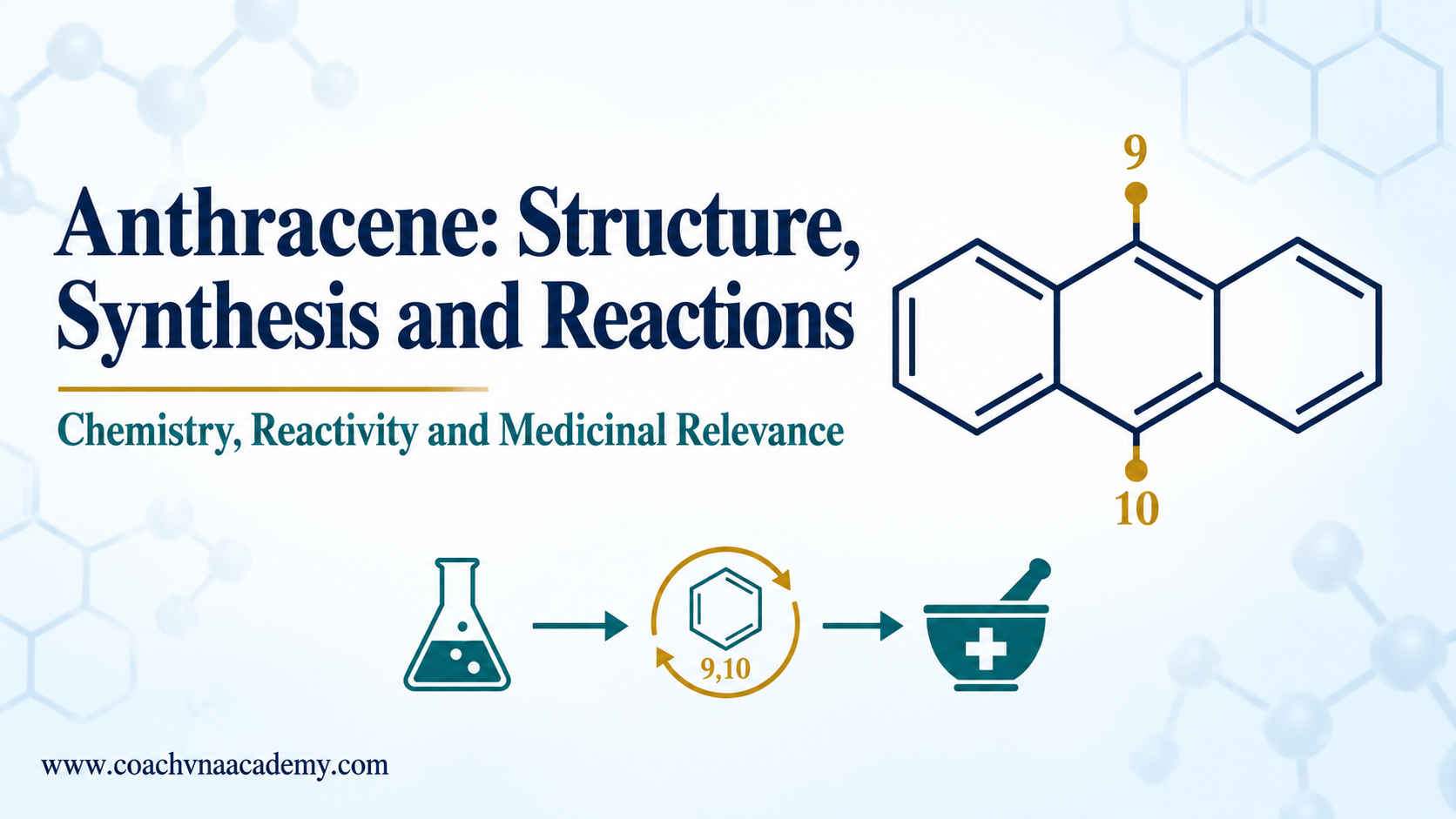
Study anthracene structure, numbering, synthesis, 9,10 reactions and important derivatives through clear, exam-oriented notes for B.Pharm students.
Study anthracene structure, numbering, synthesis, 9,10 reactions and important derivatives through clear, exam-oriented notes for B.Pharm students.
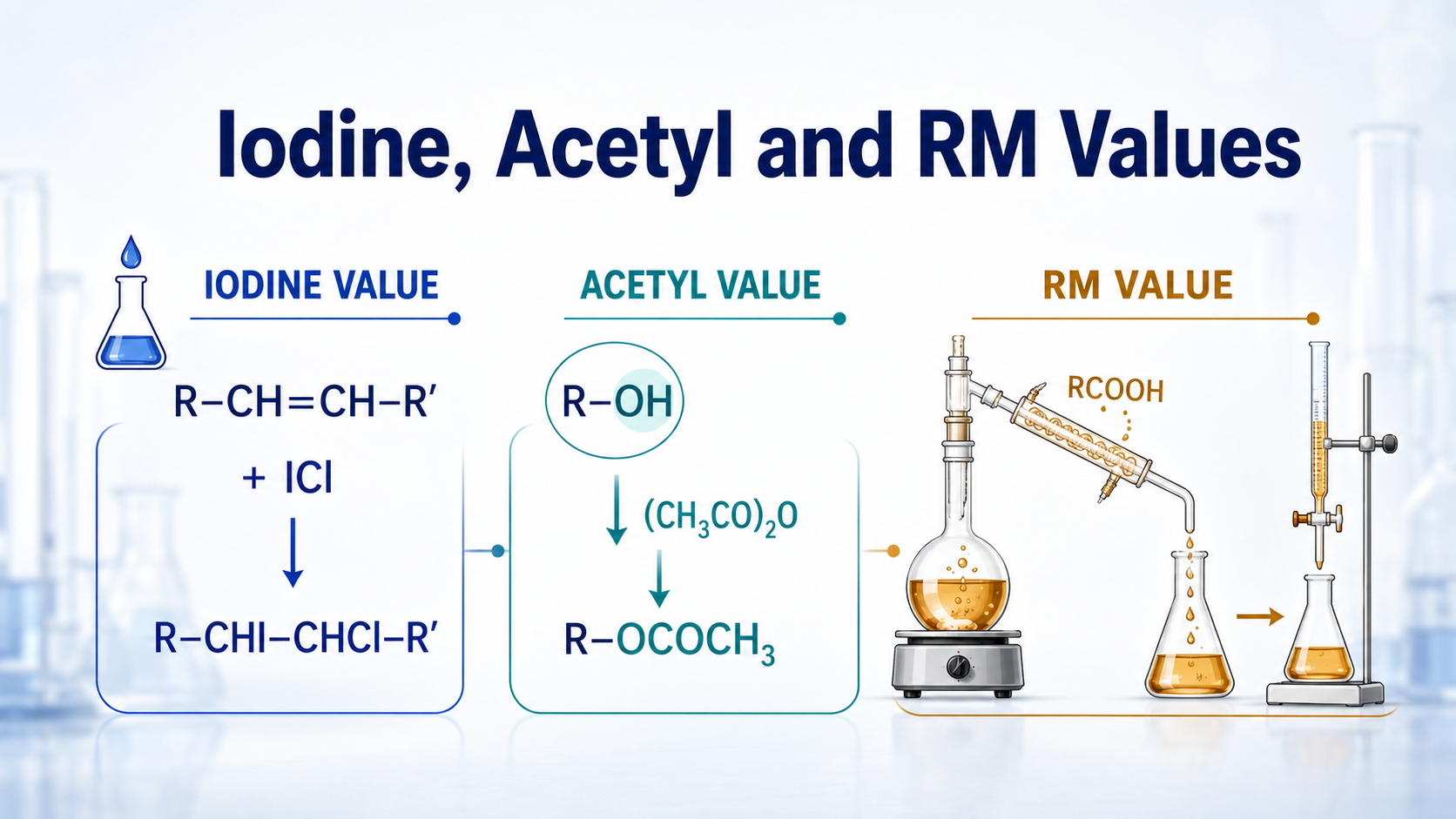
Learn iodine, acetyl and Reichert-Meissl values of fats and oils with principles, reactions, procedures, formulas, worked calculations, uses and exam-focused comparison.
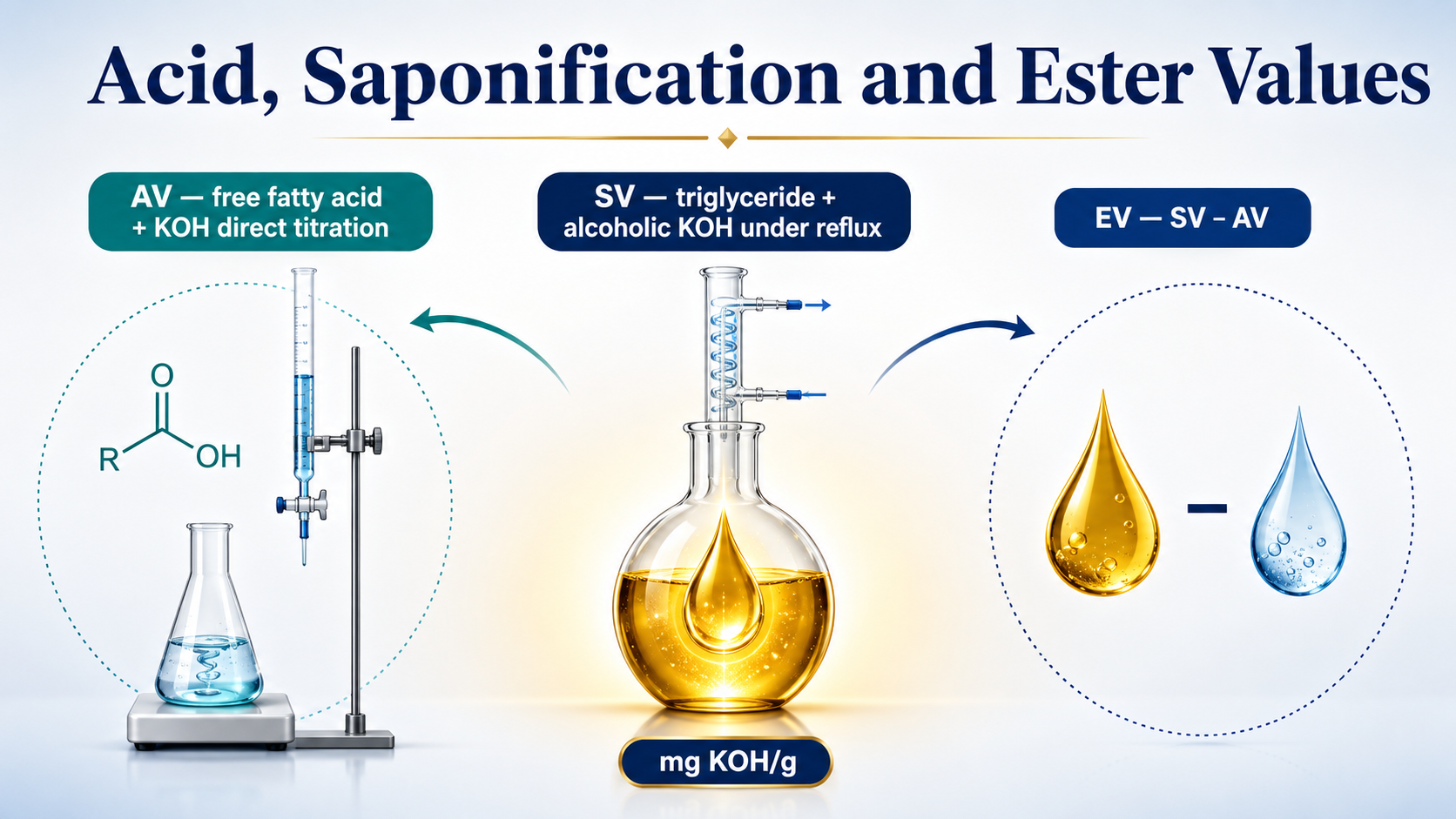
Learn acid, saponification and ester values with clear definitions, principles, reactions, procedures, formulas, worked numericals and exam-focused comparisons for B.Pharm students.
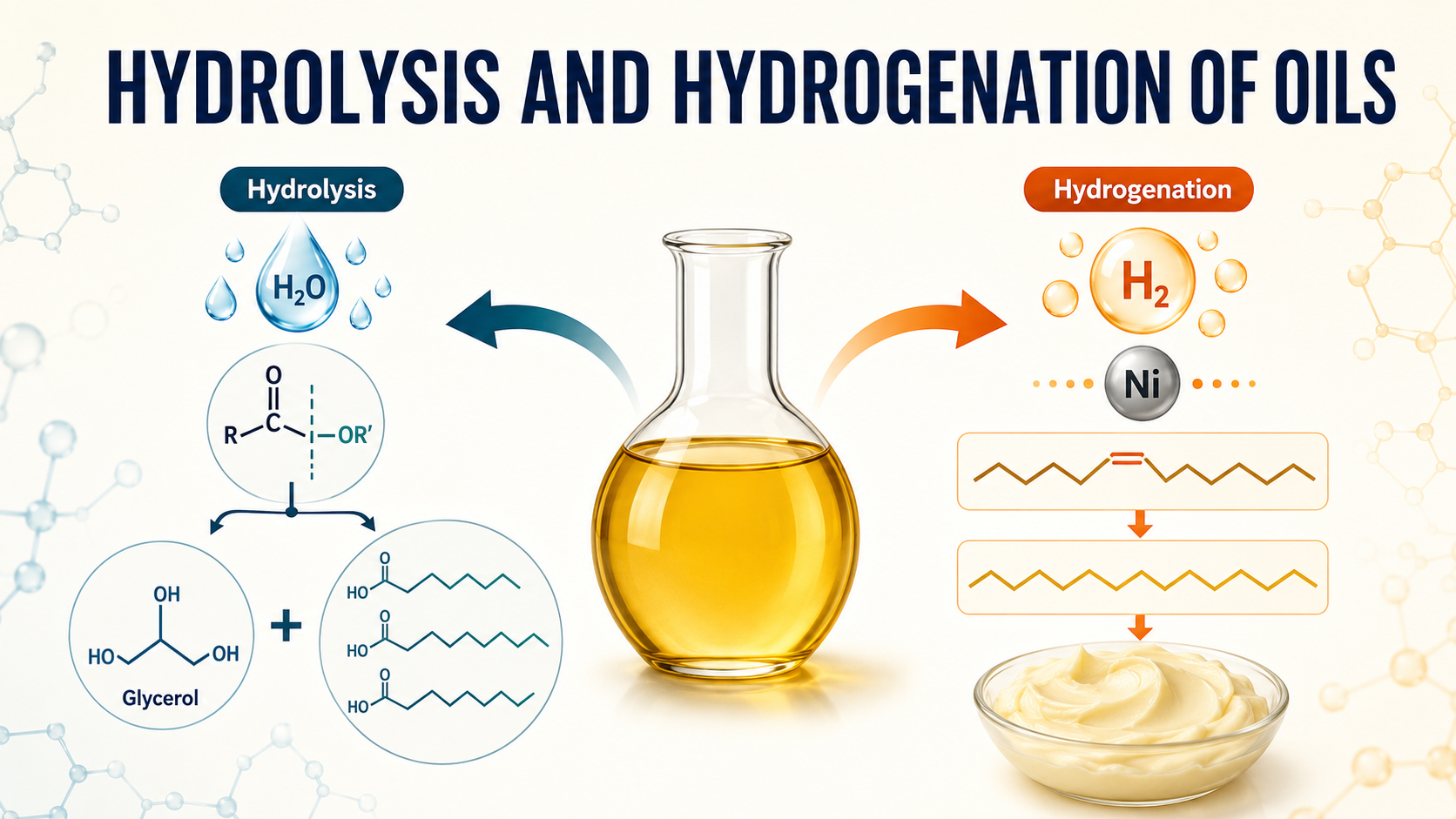
Learn the hydrolysis and hydrogenation of oils through clear reactions, conditions, products, property changes, applications, and exam-focused comparisons.
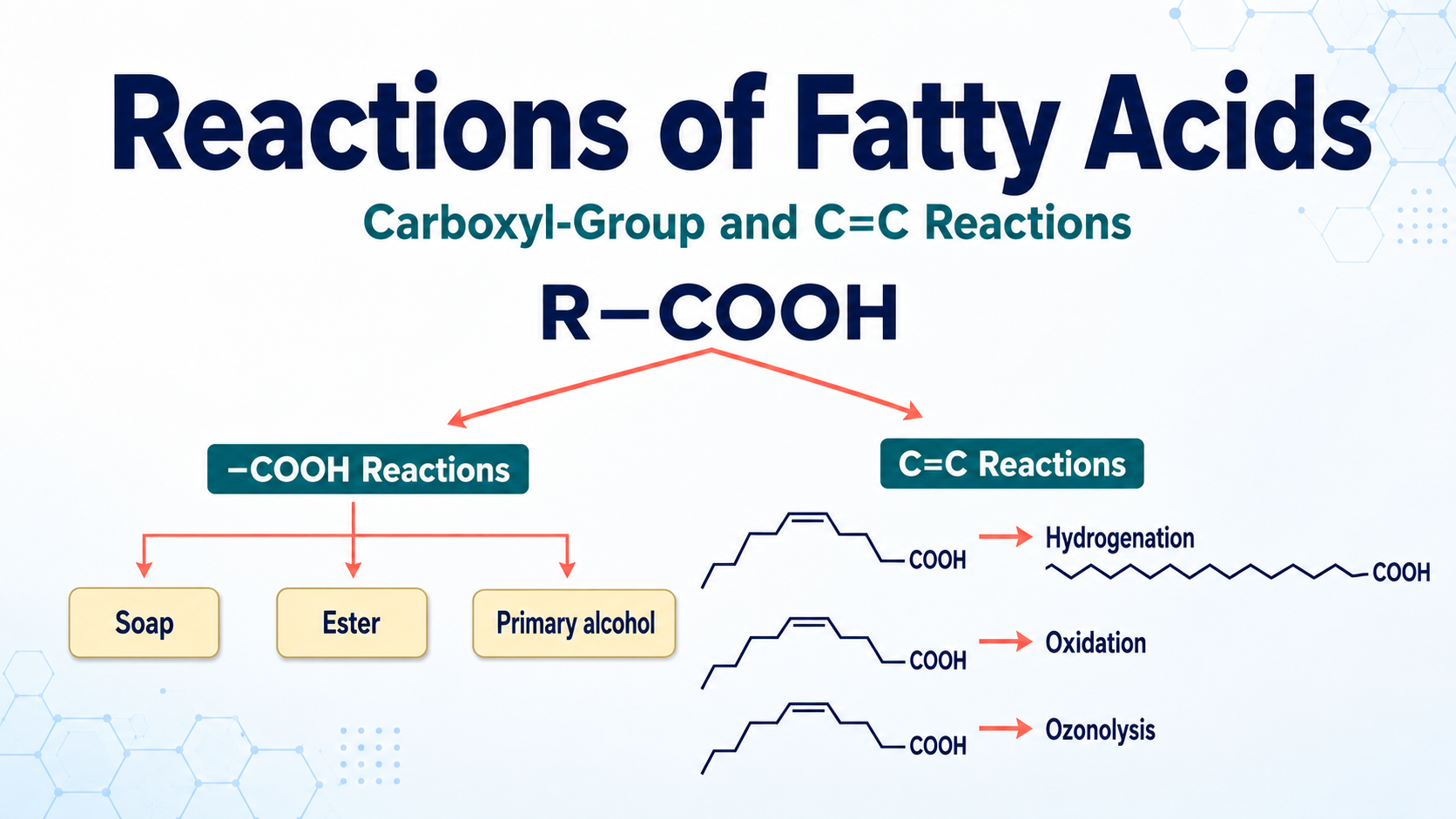
Learn the important reactions of fatty acids through clear equations, separate reaction conditions and revision infographics. These exam-oriented notes explain soap formation, esterification, reduction, decarboxylation, hydrogenation, oxidation, ozonolysis and oxidative rancidity.
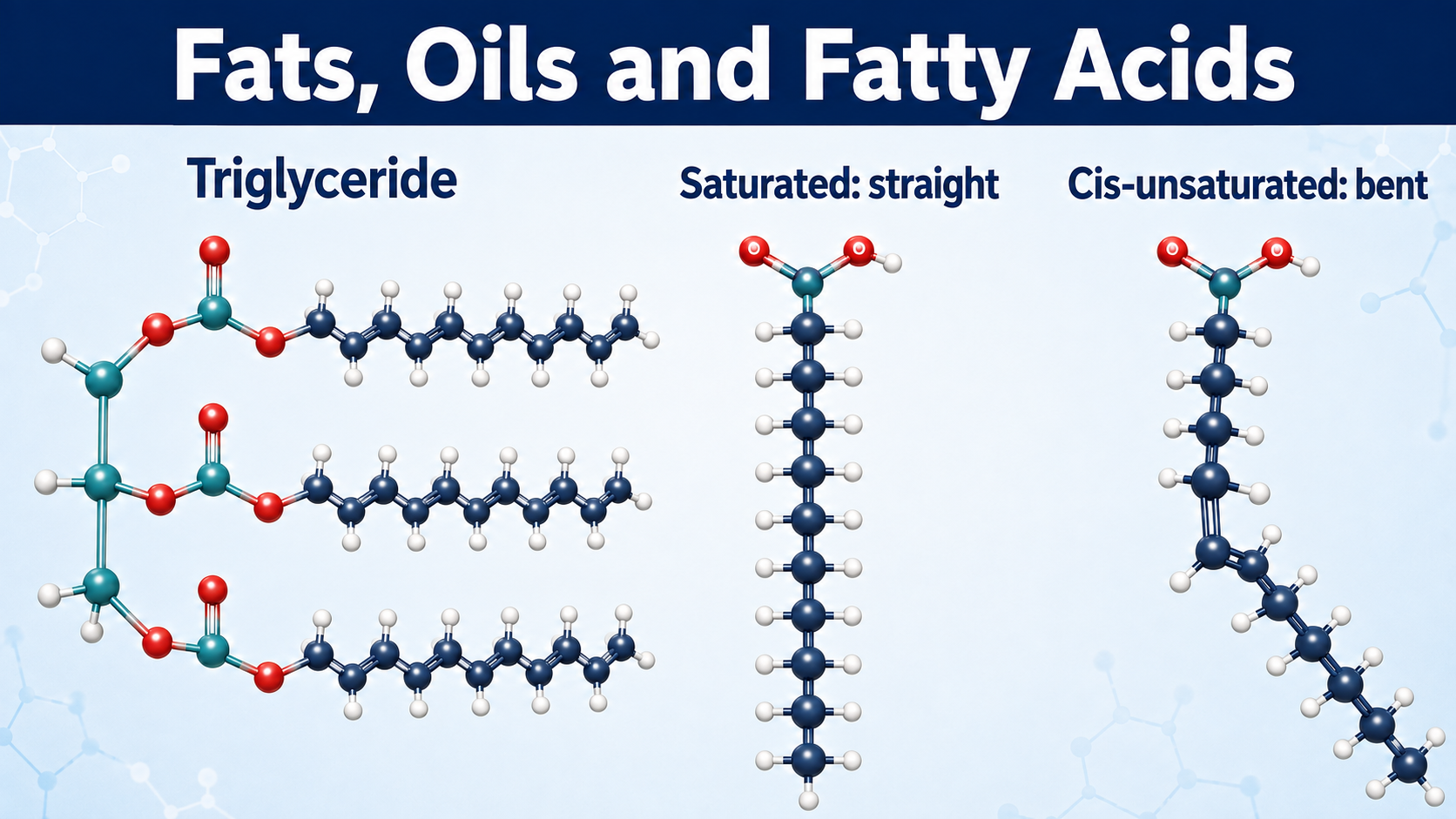
Learn the structure, classification and properties of fats, oils and fatty acids with essential fatty acids, omega notation, examples and exam-oriented notes for BP301T.
Learn the nitration of benzene as an electrophilic aromatic substitution reaction, including nitronium-ion formation, sigma-complex formation, reaction mechanism, and restoration of aromaticity.
Welcome, students! Today we are diving into one of the most important heterocyclic compounds in pharmacy: Pyridine. If you’ve ever wondered why certain drugs work the way they do, or why some molecules react while others stay quiet, understanding the “personality” of Pyridine is your first step. To understand its basicity, we must look at … Read more
Heterocyclic compounds, characterized by cyclic structures containing one or more heteroatoms such as nitrogen, oxygen, or sulfur, constitute the most diverse and essential class of organic molecules in drug discovery. These structures are not merely passive frameworks; they serve as critical pharmacophores that facilitate specific interactions with biological targets, including enzymes, receptors, and nucleic acids. … Read more
Think of Atropisomerism as the chemistry of “frozen motion.” While most single bonds in organic chemistry act like spinning wheels, some bonds get “stuck” because the groups attached to them are simply too big to pass each other. This is a crucial concept because it explains how a molecule can be chiral (optically active) even … Read more